
Jai Club Responsible Play Limits: Setting a Practical Budget
Responsible play tools help keep activity intentional. This guide explains how to think about limits before depositing.
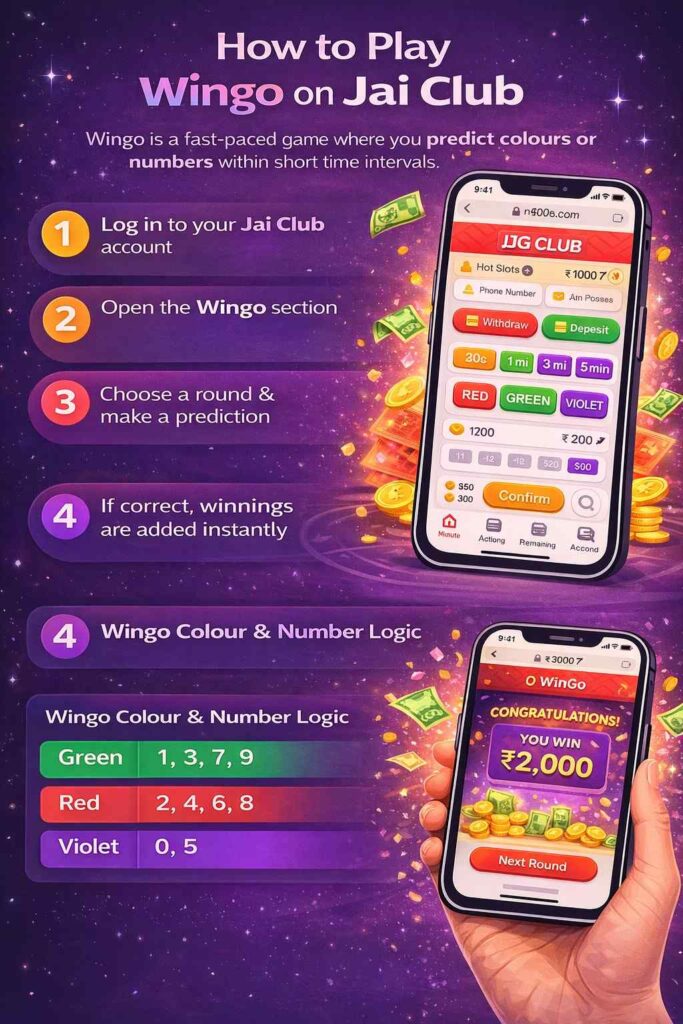
A limit only works if it is set before you start. In the middle of a session, after a loss or a win, judgement is at its weakest, and that is exactly when people decide to carry on. Deciding in advance, and making the decision hard to reverse, is the whole method.
There are three kinds of limit worth setting: money, time and loss. Each catches a different problem.
Setting your limits
- Choose a monthly entertainment budget.
- Set a deposit limit inside account settings if available.
- Track deposits and withdrawals in wallet history.
- Take breaks after long sessions.
- Use self-exclusion tools if activity feels hard to control.
Working out the money limit
Start from your monthly income and take away rent, food, bills, travel, school costs, loan payments and savings. From what is left, choose the part you would otherwise spend on entertainment, such as films, eating out or a hobby. A portion of that is your gaming budget. It should be an amount whose complete loss would be annoying and nothing more.
Divide the monthly figure by the number of sessions you expect to play. That is the session limit. When it is gone, the session is over, even if it lasted five minutes.
The three limits
- Deposit limit: the most you will add in a day, week or month. If your account settings offer a deposit limit, set it there so the system enforces it.
- Time limit: the length of a session. Use your phone's timer, or the app timer in Digital Wellbeing on Android and Screen Time on iPhone, which can lock an app after a set number of minutes.
- Loss limit: the point at which you stop for the day. Equal to the session budget.
- A win limit is useful too. Decide the point at which you will stop and withdraw, since winnings left in play tend to be played back.
Making limits hold
- Deposit the session amount only. Do not keep a larger balance in the wallet "for later".
- Do not save card or payment shortcuts that make a top-up a single tap.
- Never raise a limit on the same day you hit it. Sleep on it.
- Tell someone you trust what your limit is.
- Keep a simple record: date, deposited, withdrawn. The wallet history guide shows where the figures are.
Signs the limits are not enough
- Depositing again straight after a loss to win it back.
- Using money meant for something else, or borrowing.
- Hiding how much you play or spend.
- Feeling restless or irritable when not playing.
- Playing longer than planned most times.
If two or more of these are familiar, a limit is not the right tool; a break is. The self-exclusion guide explains how to ask for one, and the risk disclosure lists where to find support.
Limits checklist
- Never chase losses.
- Do not borrow to deposit.
- Treat gaming as entertainment.
- Lower limits immediately when spending feels uncomfortable.
Keeping play healthy takes more than play limits; read the companion guide on budgeting before you play and how results stay transparent. Return to the Jai Club start page to pick a different topic.
Frequently Asked Questions
How do I set a deposit limit on Jai Club?
Look in your account or wallet settings for a limit option. If you cannot find one, ask customer care from inside your account. You can also enforce a limit yourself by depositing only your planned session amount.
How much should I budget for gaming?
Only a part of the money you would otherwise spend on entertainment, after rent, food, bills, debts and savings. It should be an amount you can lose completely without hardship.
Can I limit the time I spend in the app?
Yes. Android's Digital Wellbeing and iPhone's Screen Time can set a daily timer for an app or a website and lock it when the time is used.
What should I do after hitting my loss limit?
Stop for the day. Do not deposit again to recover it, and do not raise the limit until at least the next day.